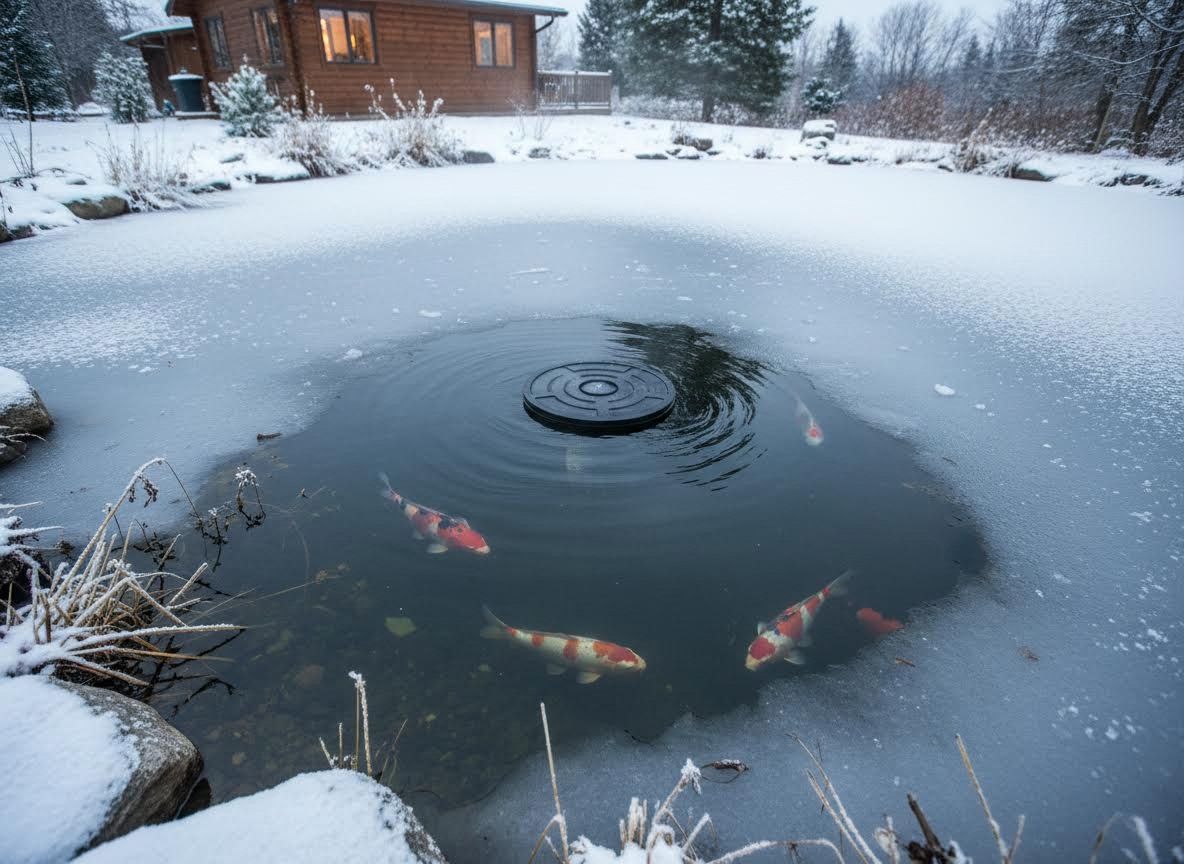
As winter approaches, particularly in regions prone to intense cold, ensuring the health and safety of your aquatic inhabitants becomes a top priority. For those with backyard Ponds or Garden Swim Ponds, understanding how to protect your fish from deep freezes is crucial. Living Water Pools & Ponds knows that proper preparation can make all the difference in safeguarding your beloved fish through the harshest months, preventing common issues like oxygen depletion and toxic gas buildup beneath the ice.
The Perils of Deep Freezes for Pond Fish
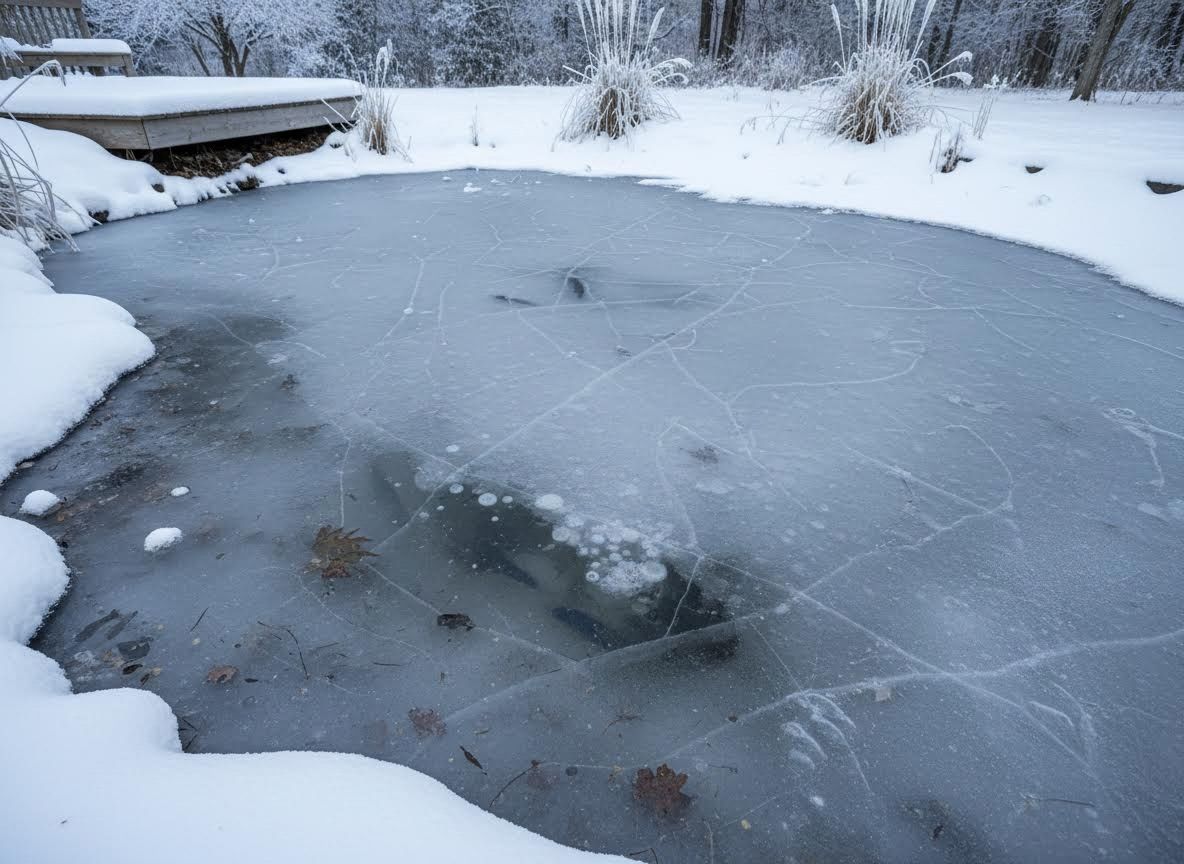
When temperatures drop significantly and stay low for extended periods, a pond can freeze solid or develop a thick layer of ice that completely seals its surface. This ice layer, while beautiful, creates a critical problem for fish: it prevents essential gas exchange. Oxygen, vital for fish survival, cannot enter the water from the atmosphere, and toxic gases, such as carbon dioxide and methane produced by decomposing organic matter, cannot escape. Over time, these conditions lead to oxygen depletion and a buildup of harmful toxins, which can quickly become fatal for fish, even hardy species.
Essential Preparations Before Winter Sets In
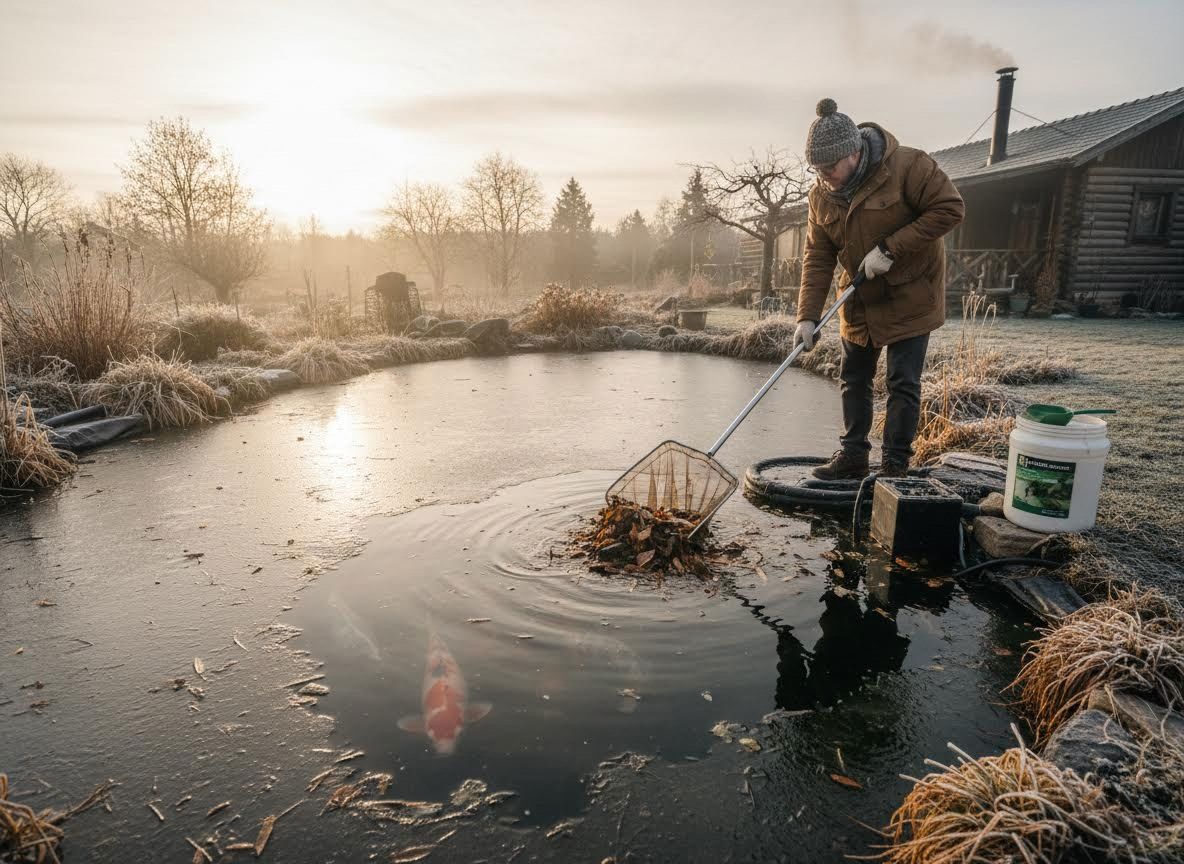
Before the first hard freeze, several steps can significantly improve your fish's chances of survival. Begin by thoroughly cleaning your pond. Remove any accumulated leaves, debris, and excessive aquatic vegetation from the bottom. These organic materials continue to decompose under the ice, consuming oxygen and releasing noxious gases. If you have a filter, clean it well or consider turning it off for the winter, depending on your system type and climate. Gradually reduce feeding your fish as water temperatures drop below 50°F (10°C); their metabolism slows down, and they require less food. Any uneaten food will only add to the organic load.
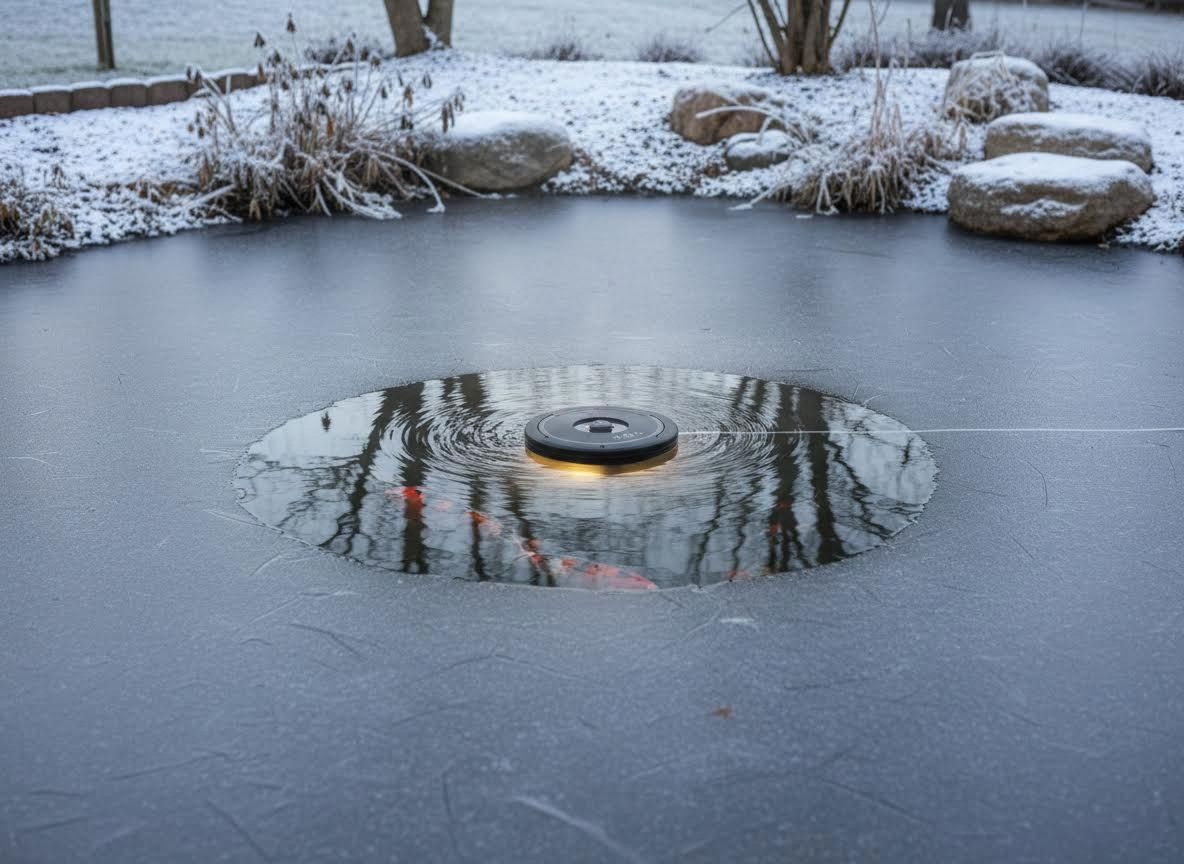
Maintaining Open Water for Vital Gas Exchange
The most critical aspect of winterizing a pond with fish is to ensure a small area of the surface remains ice-free to allow for continuous gas exchange. Never smash or crack thick ice, as the shockwaves can harm or kill your fish. Instead, employ safe methods such as a pond de-icer or an aerator. A pond de-icer, often a floating heater, maintains a small opening in the ice. An aerator, on the other hand, circulates the water, preventing a section from freezing while also adding oxygen. Both methods are effective for preserving an open spot, ensuring your fish have access to fresh oxygen and can release harmful gases. These considerations are just as important for Natural Swimming Pools that house aquatic life.
Safeguarding your fish through the winter's deep freezes requires thoughtful preparation and consistent attention to their needs. By taking proactive steps to clean your pond and maintain open water for gas exchange, you can ensure your aquatic friends thrive even in the coldest conditions. For expert guidance on maintaining healthy Ponds, Natural Swimming Pools, or any Water Features throughout the year, explore the resources and services offered by Living Water Pools & Ponds.