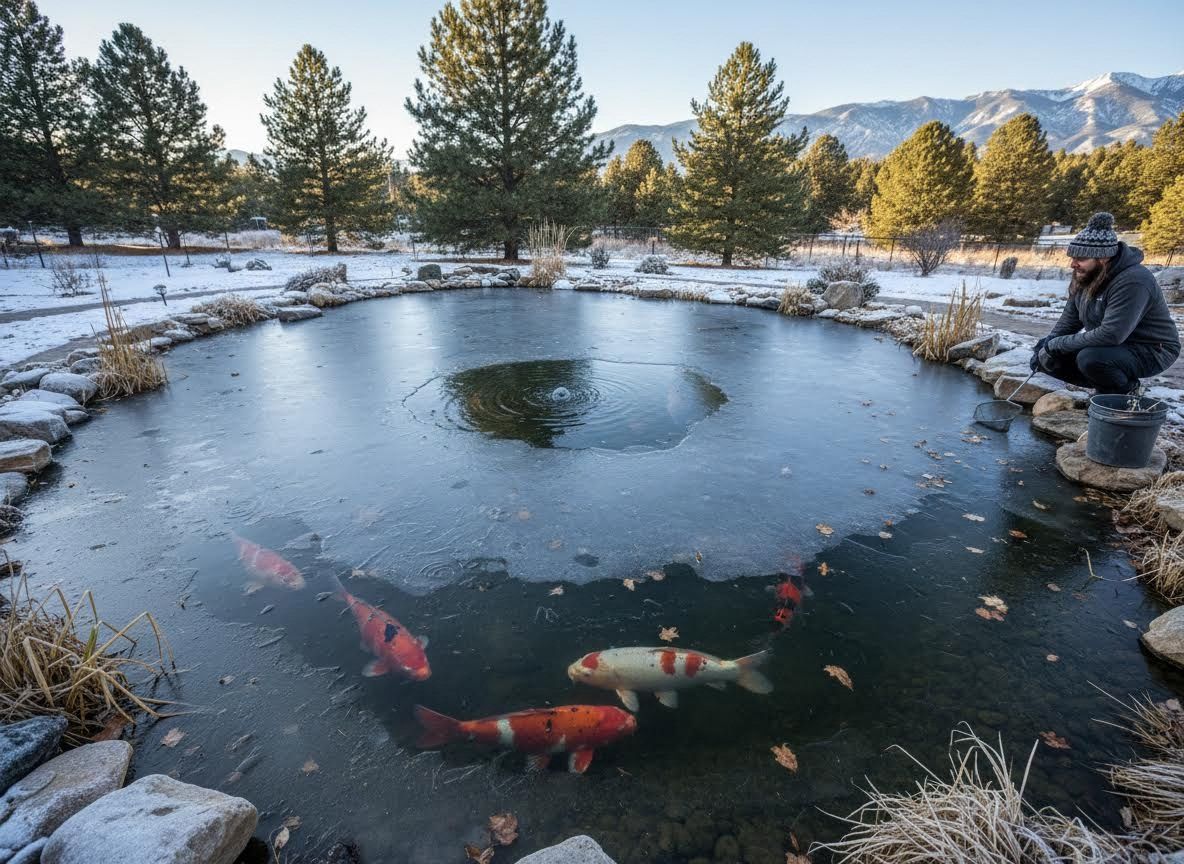
As the vibrant colors of autumn give way to the crisp chill of Colorado winters, the care of your beloved Koi Ponds requires a specialized approach. Ensuring your aquatic friends and their habitat remain healthy through the freezing temperatures is crucial for their survival and well-being. Living Water Pools & Ponds understands the unique challenges posed by the region's climate and the steps needed to prepare your Water Features for the colder months ahead.
Preparing Your Pond for Winter
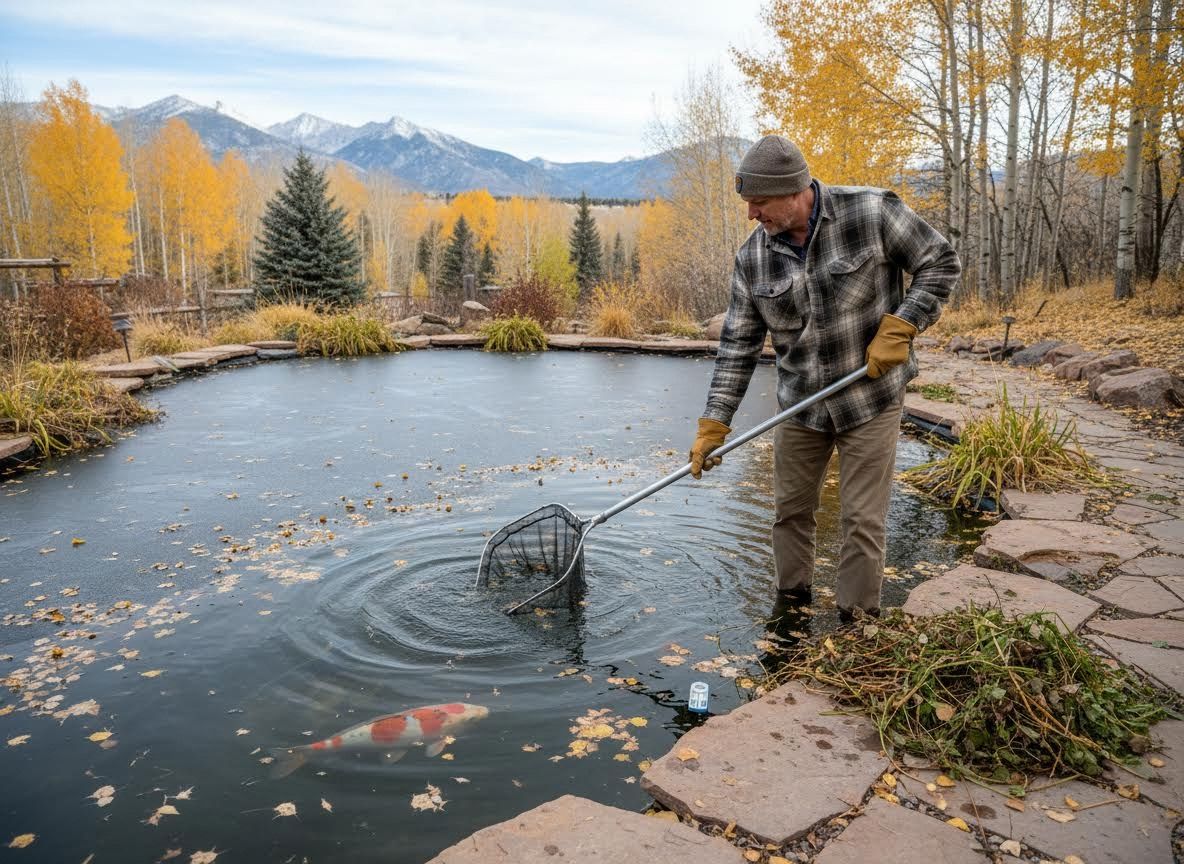
The journey to a successful winter for your Koi Pond begins long before the first snow falls. As water temperatures consistently drop below 50 degrees Fahrenheit, it's essential to perform a thorough cleaning. This involves removing fallen leaves, decaying plant matter, and any accumulated sludge from the bottom of your Pond. Excessive organic debris will decompose over winter, releasing toxic gases that can harm your fish if trapped under ice. Trim back any marginal or aquatic plants, ensuring only what's necessary remains, and gradually reduce feeding as fish metabolism slows down.
Maintaining a Healthy Winter Environment
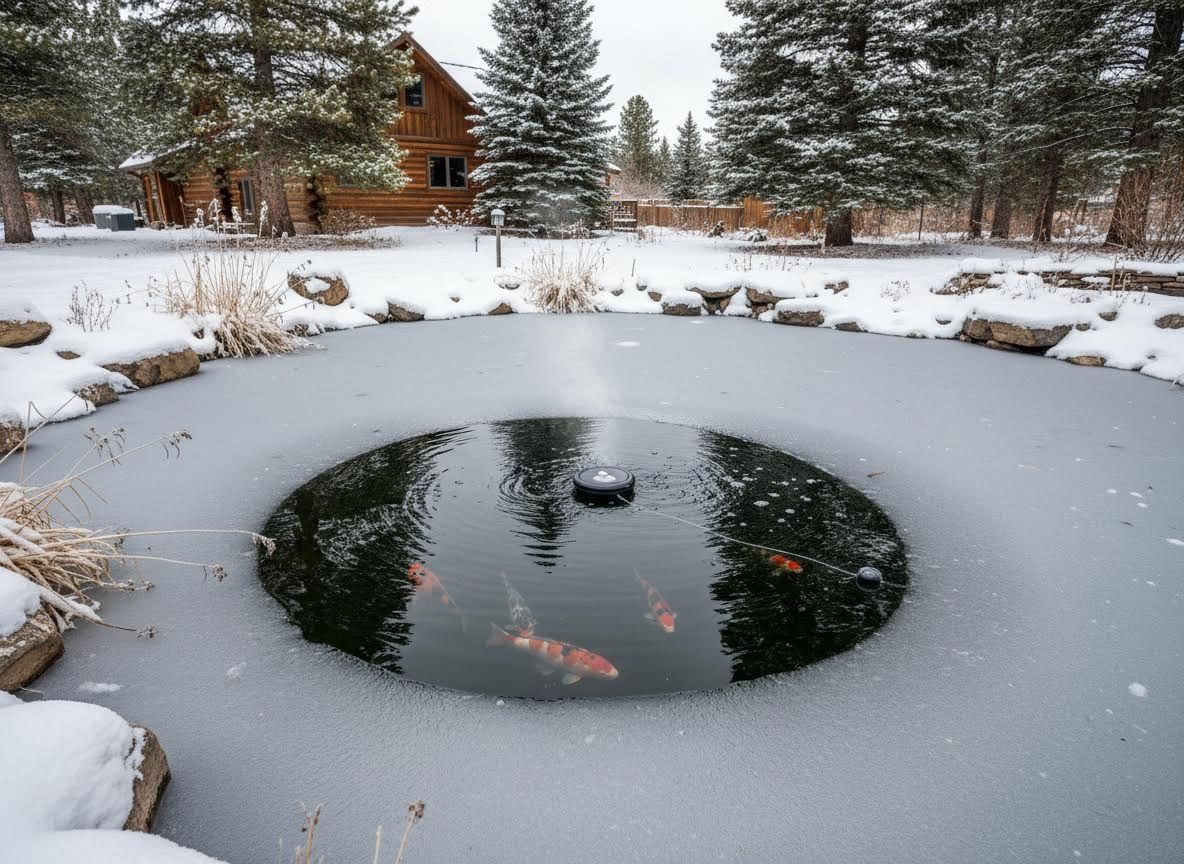
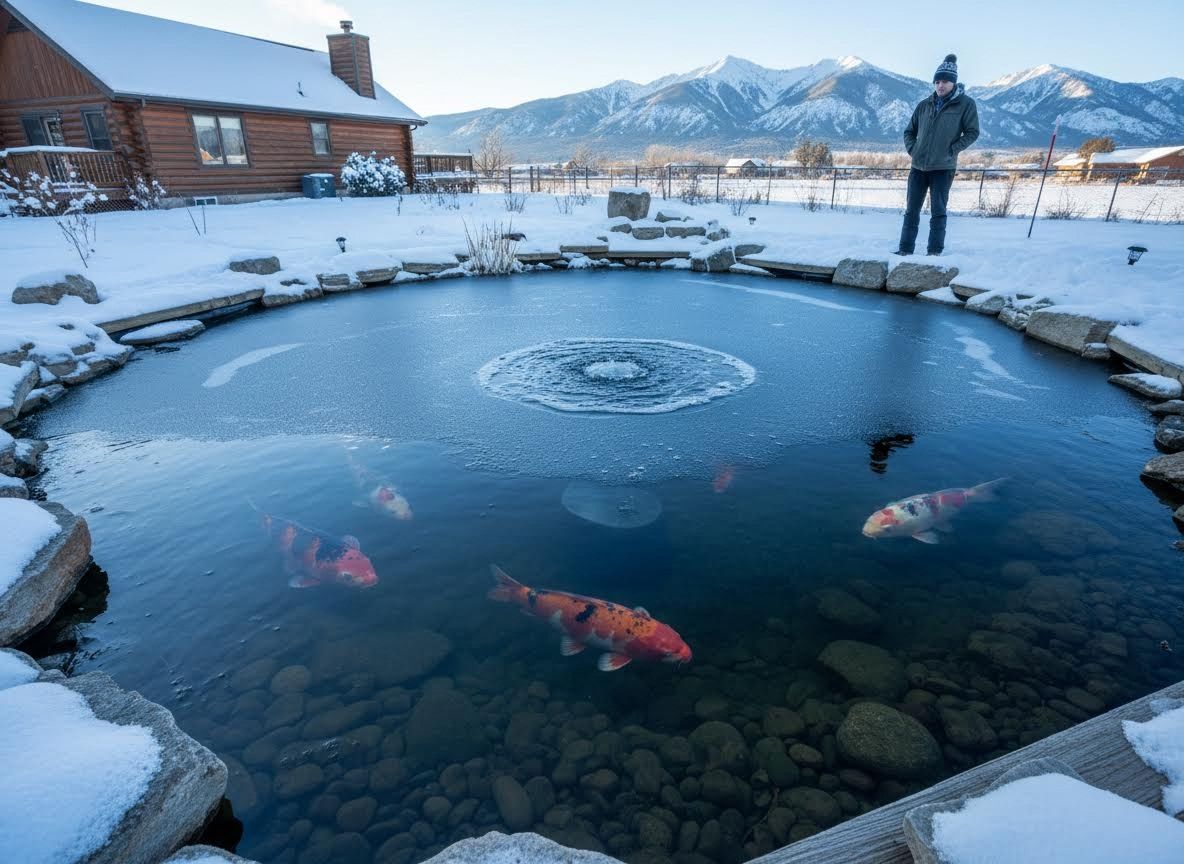
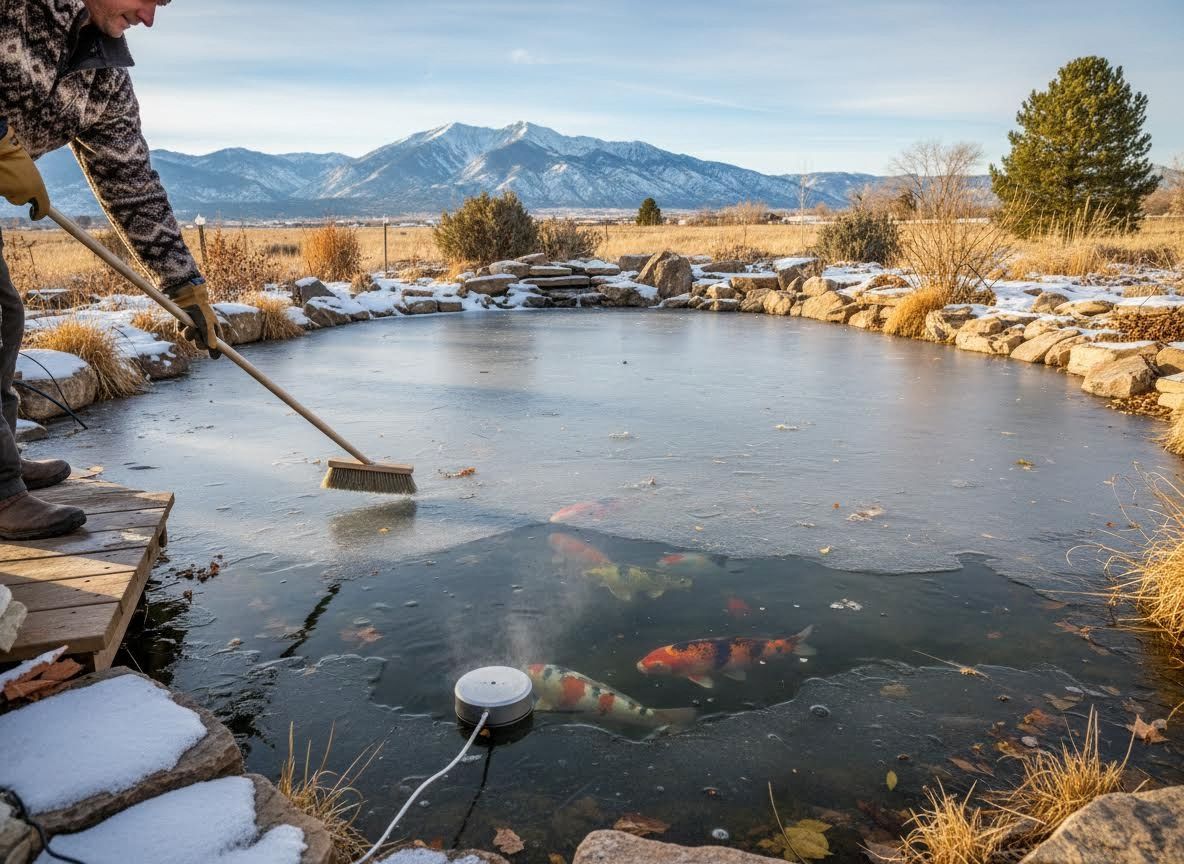
Once temperatures plummet and ice begins to form, maintaining proper water quality and gas exchange becomes paramount. It is crucial to prevent your entire Pond surface from freezing solid to allow for the release of harmful gases. Methods such as installing a Pond de-icer or a small air pump with an air stone can help keep an open hole in the ice. This open area ensures that gases like carbon dioxide and methane, which accumulate from decomposition, can escape, and fresh oxygen can enter. Never break ice with force, as the shockwaves can harm dormant fish.
Winter Care for Your Koi
During the winter months, Koi enter a state of torpor or semi-hibernation, significantly reducing their activity and metabolic rate. It is important to stop feeding your Koi once water temperatures consistently drop below 50 degrees Fahrenheit, as their digestive systems slow down and they cannot properly digest food. Feeding them in cold water can lead to serious health issues or even death. While they may appear sluggish, healthy Koi are adapted to survive these cold conditions when their Ponds are properly managed. Monitor their environment without disturbing them, ensuring aeration and gas exchange continue.
Ensuring Spring Revival
As winter begins to release its icy grip, the care you provided through the cold months will dictate the health and vitality of your Ponds in spring. Proper winterization and maintenance during the dormant period ensure that your Koi and the entire aquatic ecosystem are ready to thrive once warmer temperatures return. This diligent approach applies not just to Koi Ponds but to all types of Garden Swim Ponds and other intricate Water Features, safeguarding their beauty and function year-round.
Understanding the specific needs of your Ponds during Colorado winters is key to their longevity and beauty. For personalized guidance on winterizing your existing Water Features or to explore options for Natural Swimming Pools, reach out to a professional who can provide tailored advice and support.